Home / Bird-Friendly Glass
BIRD COLLISION DETERRENCE
Bring bird collision deterrence into the glass specification. Coordinate pattern, appearance and energy performance around the building and its surroundings.
PATTERN + CONTRAST + CONTEXT
Design for visibility from the bird’s approach.
PRODUCT OVERVIEW
Reflections of sky and vegetation can appear to birds as open habitat. Transparent corners and passageways can also suggest a clear flight path.
Bird-friendly treatments introduce visual cues to help birds perceive the barrier. Pattern, surface position and the surrounding environment all influence the result.
DESIGN PRIORITIES
01
Consider marker contrast against reflected scenery and transmitted views.
02
Review pattern visibility from inside and outside, at the intended viewing distances.
03
Coordinate bird-friendly treatment with Low-E coatings and the complete insulating unit.
04
Consider vegetation, transparent corners, glazed barriers and the building lighting strategy.
TREATMENT APPROACHES
01 / VISIBLE MARKERS
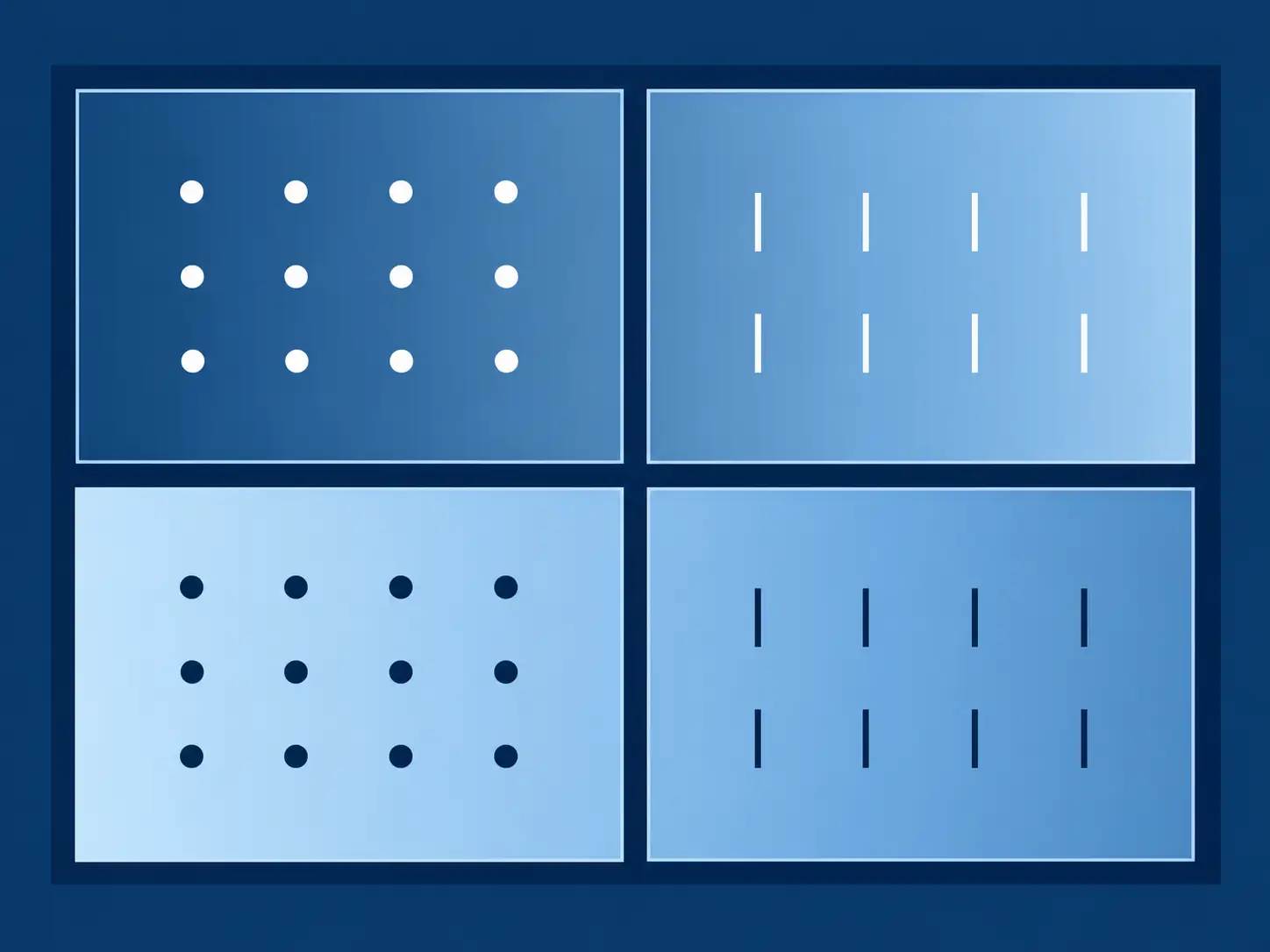
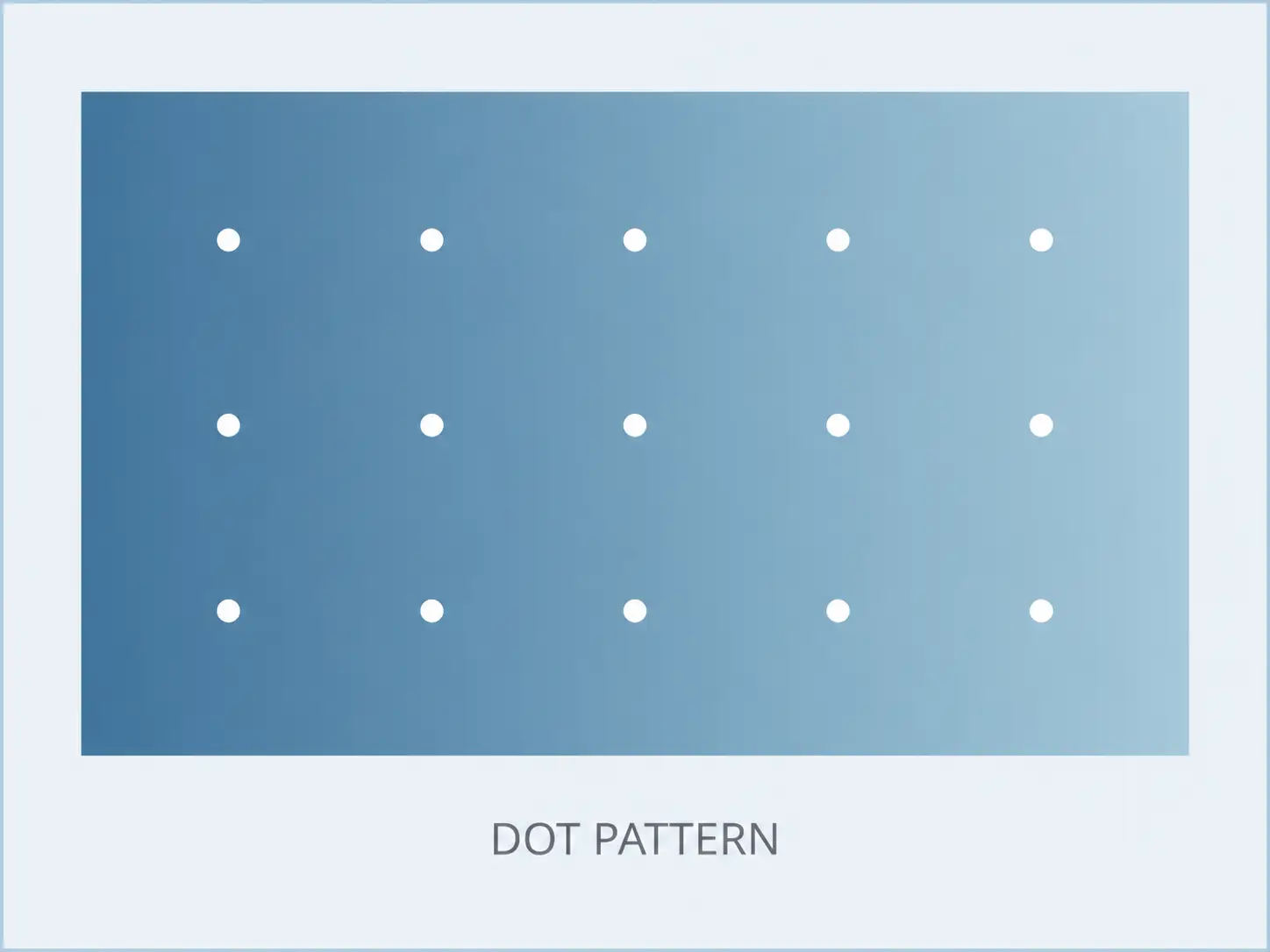
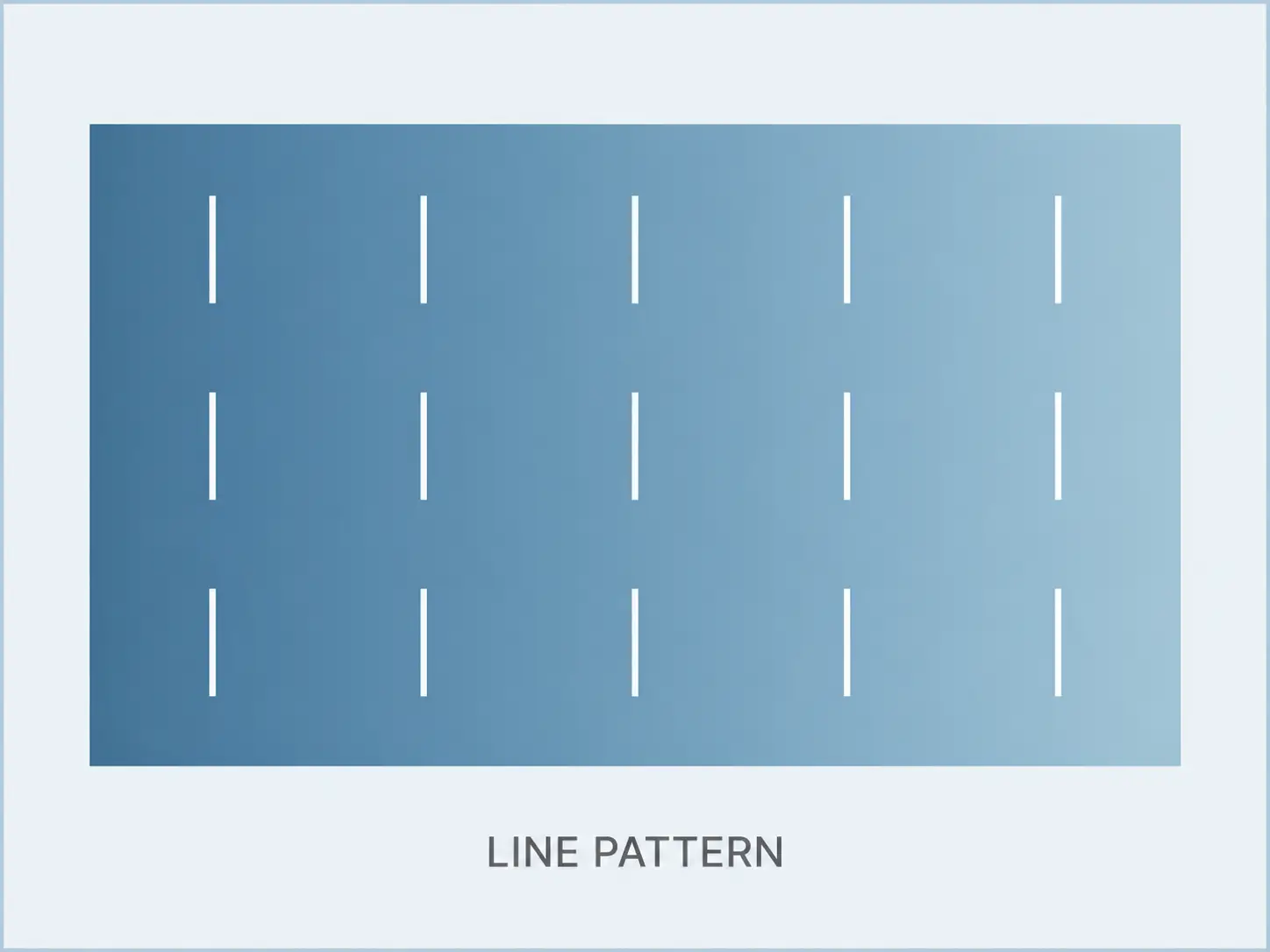
Dots, lines or other repeated markers can create contrast. Digital printing and surface etching offer different visual effects and fabrication considerations.
Review: Marker size, spacing, coverage, surface and compatibility.
02 / SPECIALIST COATINGS
Specialist UV-patterned coatings provide another approach, with visibility that differs between birds and people. Availability and suitability are reviewed for the proposed assembly.
Review: Exterior surface position and supporting test evidence.
GLASS & PATTERN OPTIONS
Combine visible markers with an insulating unit. Review daylight, solar control and exterior appearance together.
Explore laminated assemblies with suitable markers or specialist interlayers. Verify visibility through the complete make-up.
FAÇADE COORDINATION
Coordinate treatment across vision areas, corners and adjacent glass. Review a sample or mock-up in the intended setting.
Solar-control coatings and bird-friendly treatments can work together when their surface positions and processing requirements are compatible.
PROJECT SELECTION GUIDE
Record marker dimensions, spacing in both directions and coverage. Review these against the project criteria.
Identify the treated surface. Exterior markers can interrupt reflections; internal treatments need review through the outer glass.
Request evidence for the exact product, pattern and glass make-up. Record the test method and result; do not transfer ratings between configurations.
Review reflected vegetation, transparent corners, glass barriers and lighting with the design team.
DESIGN TO SPECIFICATION
01 / DEFINE
Share the location, elevations, glass types and bird collision deterrence brief.
02 / SAMPLE
Compare appearance samples and the evidence applicable to the proposed configuration.
03 / RELEASE
Confirm panel orientation, treatment continuity, installation details and maintenance guidance.
APPLICATIONS
BUILDING ENVELOPES
Address reflective views and glazing near landscape features.
CLEAR SIGHTLINES
Review glass-to-glass views that can appear to be open routes.
EXTERIOR GLASS
Carry the strategy into freestanding glazing and transparent edge conditions.
TECHNICAL RESOURCES
Request project-specific information for the treatment and glass make-up.
Marker dimensions, spacing, coverage and treated surface.
Low-E coating, heat treatment, lamination and insulating configuration.
Test method, result and applicability to the proposed assembly.
Interior and exterior appearance under project viewing conditions.
PROJECT SUPPORT
Share the project context, drawings and appearance goals. We can review treatment options and the information needed to develop the specification.
A custom Low-E coating glass and architectural glass processing partner for the US and Canada.
US
Canada
Mexico
WHTB Makes Glass Better